Dragonfly-Eye, 2025–
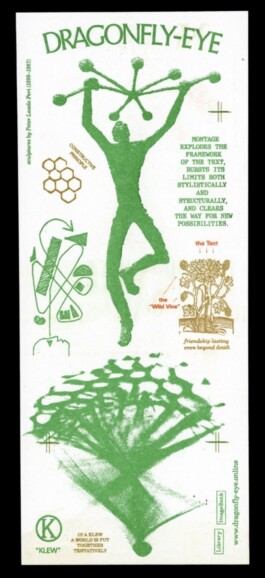
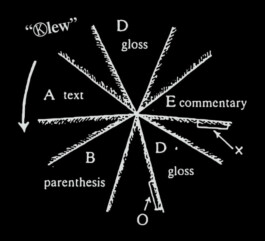
Dragonfly-Eye (ꙮ) is an online library and image-bank. We aggregate key texts with peripheral images (reflections, connections, detours, commentaries) that radiate from the readings—transforming fragments into construction sites (reading made concrete), extending their scope.
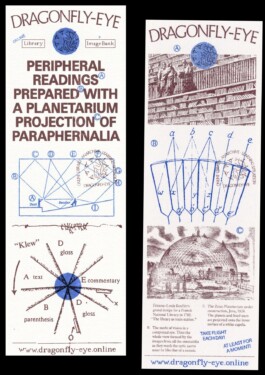
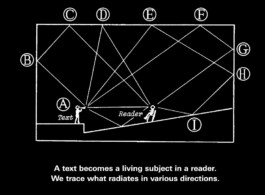
A reading is prepared with a planetarium projection of material that makes up a learning situation. Words are brought to images, and images to words by counter-statements. A dialogical reading allows for meaningful encounters, engaging a participatory, everyday conception of knowledge attempting to relate texts to more aspects of experience.
Simultaneously discovery and presentation, the constructive process makes “Ⓚlews”: threads 🧶 that stretch and connect to find commonality between ideas across the uneven warp of history.
The overflow of citations provide zones for entering and exiting texts, opening up pathways for manifold inquiry.
We aim not to publish more but to make what’s been published more useful, to contribute to a readers own thinking, and to renew what might otherwise be lost.
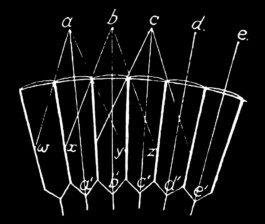
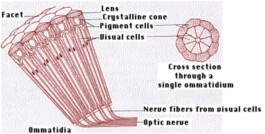
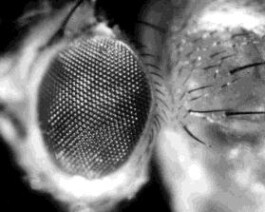
Arthropod eyes are called compound eyes because they are made up of repeating units, the ommatidia, each of which functions as a separate visual receptor.
The composite of all their responses is a mosaic image — a pattern of light and dark dots rather like the halftone illustrations in a newspaper or magazine. And just as in those media, the finer the pattern of dots, the better the quality of the image.
after Kluge